Hitting on all eight cylinders
Group: Forum Members
Last Active: 10 Years Ago
Posts: 8,
Visits: 287
|
Yes, 1.08 is about 480cfm and 1.12 is 600cfm. The measurement relates to venturi size. The 1.08 is suitable for small blocks and the 1.12 was used on big blocks and some hi-po small blocks. I will be using a 1.08.
|
|
Group: Forum Members
Last Active: 2 Years Ago
Posts: 3.3K,
Visits: 238.8K
|
According to the Carburetor Doctor site, the Autolite 4100s in 1957 came on some Mercurys. Fords aren't mentioned that year, so ?? Altered somewhat for 1958 they were used on other engines. The experts on that carb were Pony carburetors in N.Y. state, but I believe they are out of business following the death of the owner manager..
Paul
|
|
Group: Forum Members
Last Active: Yesterday
Posts: 4.6K,
Visits: 39.4K
|
There is a fellow here in Manchester, NH that has been rebuilding carbs, generators and alternators forever. He has done a few of mine and all has been great. The local restorers use him for their projects. I can post his information to the links are if you like. His prices are pretty fair and he is an honest business owner. He retired to the garage behind his house and shows no sign of quitting soon.
Y's guys rule!
Looking for McCullouch VS57 brackets and parts. Also looking for 28 Chrysler series 72 parts. And early Hemi parts.
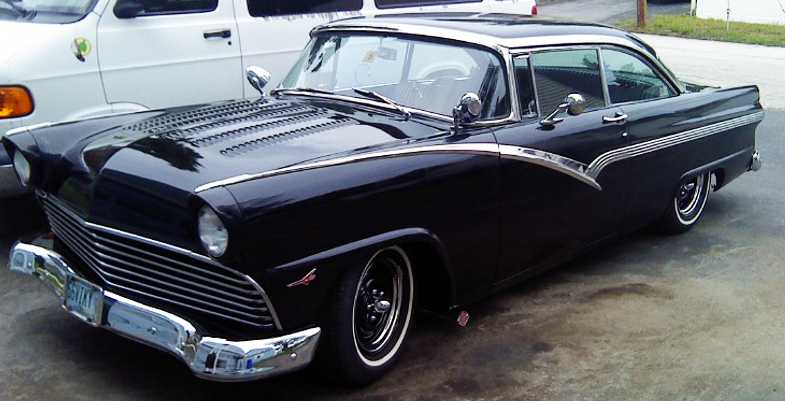 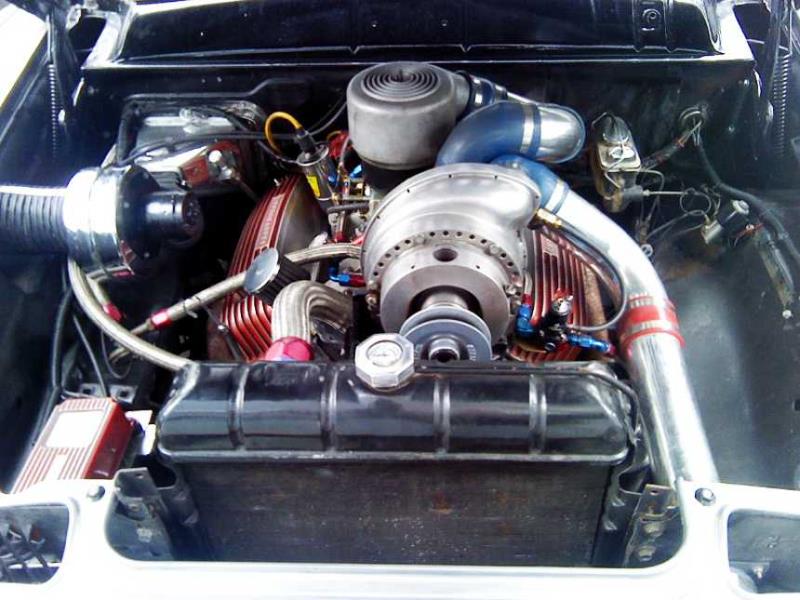
MoonShadow, 292 w/McCulloch, 28 Chrysler Roadster, 354 Hemi)
Manchester, New Hampshire
|
|
Group: Forum Members
Last Active: 2 Years Ago
Posts: 3.3K,
Visits: 238.8K
|
57 Victoria  I'm interupting the posts subject momentarily) In your post u confused me, describing your car as a 57 Victoria town sedan. Looking at your avitar (?) photo, it appears your car is a 4 Dr. Hardtop, correct? Your car's description should be a "Town Victoria," not a Town Sedan, which is a 4 Dr post car..
Paul
|