|
By oldcarmark - 2 Years Ago
|
|
Any Front End Alignment Experts out there? I have Radials on my 56. A retired Mechanic was telling me that with Radials front End Alignment Specs should be modified for better handling especially when cornering. Right now mine was aligned to original Specs. Any suggestions on Specs. Especially Camber which would make the most Difference. Thanks
|
|
By MoonShadow - 2 Years Ago
|
|
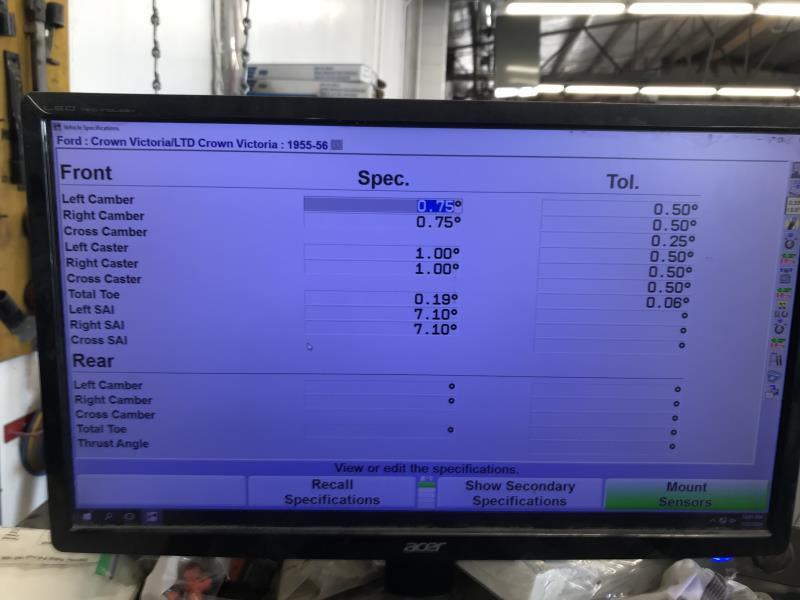
On the same subject is there any software that will convert the old alignment specs in inches to the degrees that the machines now use?
|
|
By miker - 2 Years Ago
|
I was around when radial started taking over the replacement market. But you can qualify this as an “old wives tale”. More caster so the car tracks straight, because they steer easier. I’m not sure that’s really true when you’re parking, but it was on my roadster at low speeds when I went from the bias plies to radial bias “look alike’s”. The softer sidewalls were more forgiving camber change without losing tread life.
The go to guy around here was an old alignment guy who still did a lot of hot rods and motorhomes. He knew what he could do from long experience. Maybe a local shop would be able to refer you. That’s how I found him.
|
|
By oldcarmark - 2 Years Ago
|
MoonShadow (7/24/2024)
On the same subject is there any software that will convert the old alignment specs in inches to the degrees that the machines now use?
When I found Specs online the Camber and Caster were listed in Degrees. The Toe-in is in inches. Does that Info not work with new Alignment Machines?
|
|
By MoonShadow - 2 Years Ago
|
|
What I get around here from the "modern" shops is that they can't align my 56 Victoria because of the changes in the machines to read degrees and they don't have the information in their computers. There may be one shop around that still has an older machine but I have only heard about it. Can you post a link to the data you found?
|
|
By mjs - 2 Years Ago
|
Is this what you're looking for? It should be readily available in any system.
|
|
By DryLakesRacer - 2 Years Ago
|
|
Mine is set to stock specs with 75 series tires and 6” wide rims. There is no abnormal wear or handling.
|
|
By paul2748 - 2 Years Ago
|
For what it is worth, a guy I trust who restores TBirds (same front end as your 56) recommended the following:
Caster 3/4 to 1 degree positive
Camber 3/4 to 1 degree positive
Toe In slightly toed in
|
|
By MoonShadow - 2 Years Ago
|
|
I'll check with my guy. He may not know he has it. Would be great. I've replaced all of the front end bushings and never had an alignment done. Car tracks straight and tire wear is pretty good but a little on the inside edge after many years.
|
|
By stuey - 2 Years Ago
|
Hi
I know sweet fa about alignment but I need to learn as I have messed a lot with my truck running gear.
How does checking temperature across the tyres with a reatively cheap infra red thermometer fit into caster/camber and toe in?
stuey
|
|
By KULTULZ - 2 Years Ago
|
"How does checking temperature across the tyres with a reatively cheap infra red thermometer fit into caster/camber and toe in?"
That is used mainly on race cars, say circle or road race.
|
|
By oldcarmark - 2 Years Ago
|
paul2748 (7/25/2024)
For what it is worth, a guy I trust who restores TBirds (same front end as your 56) recommended the following: Caster 3/4 to 1 degree positive Camber 3/4 to 1 degree positive Toe In slightly toed in
That is stock Specs when these Cars used Bias Ply Tires. Specs for Radials would have the Camber as slightly Neg. so that Tops of Tires are leaning slightly inwards at top (Neg Camber) as opposed to stock with Bias Ply where Camber is 1 degree Pos. Neg Camber helps when cornering. Also Car will track Better going straight ahead with Radials.
|
|
By 1/8cavman - 2 Years Ago
|
I started doing suspension alignment at a German dealership in 1970. After the dealership closed in 1980 I bought all the alignment equipment and went to work at an independent repair shop. I have aligned many different foreign and domestic cars and trucks. This also includes independent rear suspensions. The factory made the cars, use their specs, unless you are willing to waste your tires. If you want to improve the handling of your car changing alignment specs will not be noticeable, except wear on your tires. A camber setting of less than O degrees will most likely wear the inside of your tires slowly and gain you no cornering performance. Caster settings are for tracking stability and helping return your steering back to center after making a turn. Basic things to improve handling. Ride height, no lower in front raised in the rear, worse thing for bad handling, puts too much weight on the front. Make the car level and maybe lower a little, 1 to 2 inches. Rear sway bar kit is big positive, without hurting ride quality. Also larger diameter front sway bars are also positive. Performance shocks such as Koni, can make handling much better, but the ride quality suffers. Un-sprung weight is also something to consider. Heavy wheels can have adverse affect on drive ability. Also remember the poor condition of our roads (grooves in the right lanes - trucks) don't help drive ability. Truckers don't get upset, we need you, this from an ex-trucker. Back to the radials, they have flexible side wall to keep a flat footprint on the road, so make sure the tire pressures are correct and at cold pressures. All of this rambling comes from 54 years of continued owner 56 t-bird. I have changed my suspension and alignments a lot. I am soften my shocks to KYB's to a nicer ride, hopefully not too soft. My 2 cents worth. 1/8 CAV MAN
|
|
By KULTULZ - 2 Years Ago
|
1/8cavman has been there and knows of what he speaks.
But (no disrespect intended trooper), this period car was not designed for radials. Maybe in the sixties you remember the phrase 'RADIAL TUNED'.
Read this article and see if it helps - https://www.motortrend.com/how-to/sucp-1004-muscle-car-front-end-alignment-basics/
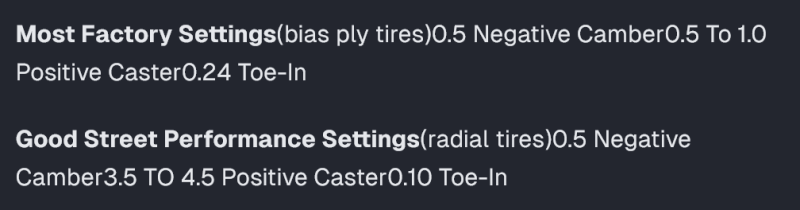
Also heed what he said about how trim height will change settings and your having to make allowances for it. It may take several sessions to get it just right, so be patient. You are not affecting a service repair/adjustment but actually making a modification.
And most important, the front end (especially BENDIX LINKAGE PS) has to be tight, and that includes the box.
|
|
By 1/8cavman - 2 Years Ago
|
Kultulz, No disrespect taken. By the way thanks for recognizing what CAV MAN means, trooper. 56 service manual specs, Camber max. 1 1/4 degrees positive, min. 1/4 degrees, positive. Caster max. 1 1/2 degrees positive, min. 1/2 degrees positive. Toe in 1/16 to1/8 inches. I don't think the car manufactures would have known what specs to change even if radial tires were available then. I read that radial tires were first made in 1948 and started to become popular by 1968. Never had the term "Radial Tuned" explained to what that involved, but I remember the phrase. The Motor Trend video was excellent. They are the real EXPERTS. But the video is aimed at modern iron. with tubular A-arms, coil over suspensions with lots of adjustment capability. Their street performance specs are great, but their caster specs can not be achieved on our cars because the upper A-arm was not made to move that far to gain that much positive caster. My 56 Bird passenger side positive 1 degree caster spec took a lot of shims and prying to achieve. This was after all new replaceable parts on a never hit front end. Same years scrubys are known to have same problems with passenger side caster settings. Frame horn flex over many years is one theory I've heard. Who cares, it is what it is. Speaking of shims for aligning our old Fords, "SHIMS". When and who does your alignments must have an assortment of shims. Harbor Freight has them. A weak or trouble part of our old Fords is the IDLER ARM in the steering linkage. Poor design and they wear out easily. Most replacement parts are very poor quality. I have replaced the bushings twice to fix play in the treaded part of this idler arm. No repair. Replaced the arm and bushings in a kit package. This junk was made in India I found out after I bought and installed it. Seller would not refund my money because he quit selling them right after I bought mine, convent. Rare Parts in Stockton Cal. make good to excellent replacements. BUT, set down when you see their prices. Wow, $455.55 for the manual steering and $ 236.00 for the power steering. Both out of stock.
|
|
By KULTULZ - 2 Years Ago
|
"By the way thanks for recognizing what CAV MAN means, trooper."
Respect shown where respect is due. You earned yours ...
As for the difficulty to arrive at desirable CASTER with shim packs on older vehicles, one may have to modify the upper control arm mounting to be able to allow more adjustment. Depends on how bad the alignment is and how far one wants to to modify the car.
But everything you posted is correct (IMO). THANX!
You have a nice day.
|
|
By DANIEL TINDER - 2 Years Ago
|
|
Complex issue. Even if you replaced all the related suspension/steering components (bushings, A-arms, idler, etc.) with NOS parts, you would still be lucky to end up with truly correct alignment, regardless of the shop. Just replacing tires more often could probably end up costing less also (I’m resigned, since my car tracks & handles ok now).
|
|
By KULTULZ - 5 Months Ago
|
|
|
By DANIEL TINDER - 5 Months Ago
|
Whatever.
With a low-use vintage vehicle (where the tires go out-of-date way before the tread wears out), unusual circumstances may otherwise apply. I bought 5 new tires, and any with accelerated/uneven wear will soon become the spare 😁.
|
|
By MoonShadow - 5 Months Ago
|
|
I think that is what I was looking for. Thank you.
|
|
By KULTULZ - 5 Months Ago
|
SEE IF THIS HELPS EXPLAIN IT - 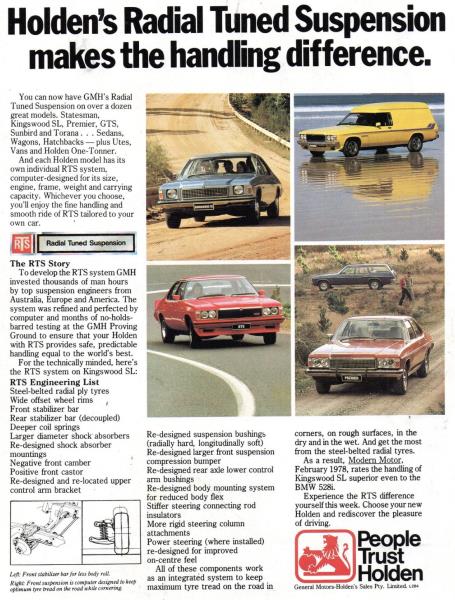
|
|
By Dave V - 5 Months Ago
|
|
I've also been trying to figure out how to obtain more positive caster on my 56 Victoria. Using an angle finder it looks like the upper control arm would need to be moved rearward about 1/2" to gain about 3 degrees or 1" for 6 degrees. Any suggestions
|
|
By KULTULZ - 5 Months Ago
|
FORD went to radial tires (optional) on the 1967 year model run. Front end design was changed at that point to accept adjustments necessary for the radial tire, also known as RADIAL TUNED.
Previous model years cannot accept the needed radial tire CASTER figures as the now needed adjustment range was not necessary.
Excessive shim packs are dangerous and prone to fall out.
The only alternatives (IMO) is either re-designed the control arm mount or going to an adjustable control arm.
|
|
By Dave V - 5 Months Ago
|
|
I do have an idea on how to modify the mount but now after seeing that adjustable upper control arm it would give more adjustability.
|
|
By KULTULZ - 5 Months Ago
|
Dave V (5/21/2026)
I do have an idea on how to modify the mount but now after seeing that adjustable upper control arm it would give more adjustability. That control arm shown is for a circle or road race application ($$$). I just used it as an example.
If I had a 55/56, I would modify the upper control arm mounting bracket to simulate how the later MUST II adjustment method was done if not wanting to go full MUST II changeover with rack. That design used no shims -
SEE WHAT YOU THINK -
You would retain your original control arms saving big bucks and make the front end completely adjustable.
You would have to use more durable bushings.
|
|
By Dave V - 5 Months Ago
|
|
Very interesting. Gives me something to think about.
|
|
By KULTULZ - 5 Months Ago
|
|
|
|
By FORD DEARBORN - 5 Months Ago
|
|
Gives me something to think about too. Everything I wanted to know about modern tires on our classic vehicles but didn't know how to ask. My truck has a straight axle but I don't think that's all bad. Later I'd like to ask some questions regarding leaf springs. Thanks for the link....
|
|
By KULTULZ - 5 Months Ago
|
Nothing wrong with a straight axle. Actually, there are many ways to improve on the design.
I didn't want to go too far on the subject as it not within the theme of this forum.
But how a person wants an older application to conform and ride/handle to modern specs is a personal choice as to how the car is used and how far you want to make alterations.
Radial Tuning is a complex subject, especially for a fifties/sixties car.
|